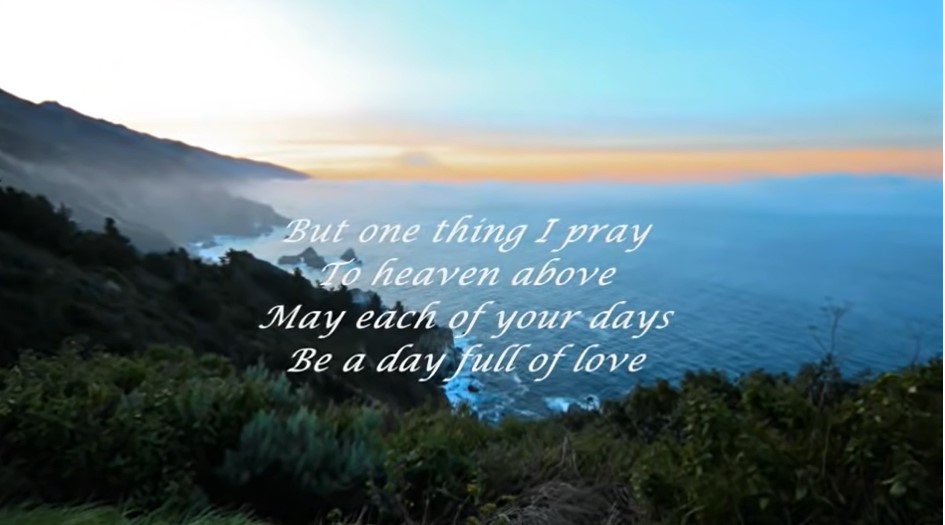
Andy Williams – May Each Day Be A Good Day 🥰 ❤️
Music is Therapy
201,694 views Aug 6, 2023 #violin#classicalmusic#bbc#classicalmusic#bruch#concerto#violin#orchestra#korea#artist#bbc#proms Bruch Violin Concerto No.1 in G minor, Op.26 브루흐 바이올린 협주곡 제 1번 사단조, 작품 26 Bomsori Kim 김봄소리, Violin Anja Bihlmaier, Conductor BBC Philharmonic BBC Proms 2023 Royal Albert Hall, London July 14th, 2023 © 2023 BBC 00:00 Preset 00:41 I. Vorspiel. Allegro moderato 09:00 II. Adagio 17:31 III. Finale. Allegro energico


4,515 views•Jul 3, 2009371ShareSavePaddy Barry 46K subscribers From the 1990 tv series Bringing It All Back Home.


R. Hynes
Sonny lives on a farm, in a wide open space Take off your shoes, stay out of the race Lay down your head, on a soft river bed Sonny always remembers the words Mamma says.
Sonny don’t go away, I’m here all alone Your Daddy’s a sailor, never comes home, Nights are so long, silence goes on, I’m feeling so tired and not all that strong.
Sonny works on the land, though he’s barely a man There’s not much to do but he does what he can Sits by his window in his room by the stairs Watching the waves drifting soft on the pier.
Sonny don’t go away, I’m here all alone Your Daddy’s a sailor, never comes home, Nights are so long, silence goes on, I’m feeling so tired and not all that strong.
Many years have rolled on, Sonny’s old and alone His Daddy the sailor, never came home Sometimes he wonders what his life might have been But from the grave Mamma still haunts his dreams.
Sonny don’t go away, I’m here all alone Your Daddy’s a sailor, never comes home, Nights are so long, silence goes on, I’m feeling so tired and not all that strong.
4,515 views•Jul 3, 2009371ShareSavePaddy Barry 46K subscribers From the 1990 tv series Bringing It All Back Home.
R. Hynes
Sonny lives on a farm, in a wide open space Take off your shoes, stay out of the race Lay down your head, on a soft river bed Sonny always remembers the words Mamma says.
Sonny don’t go away, I’m here all alone Your Daddy’s a sailor, never comes home, Nights are so long, silence goes on, I’m feeling so tired and not all that strong.
Sonny works on the land, though he’s barely a man There’s not much to do but he does what he can Sits by his window in his room by the stairs Watching the waves drifting soft on the pier.
Sonny don’t go away, I’m here all alone Your Daddy’s a sailor, never comes home, Nights are so long, silence goes on, I’m feeling so tired and not all that strong.
Many years have rolled on, Sonny’s old and alone His Daddy the sailor, never came home Sometimes he wonders what his life might have been But from the grave Mamma still haunts his dreams.
Sonny don’t go away, I’m here all alone Your Daddy’s a sailor, never comes home, Nights are so long, silence goes on, I’m feeling so tired and not all that strong.
https://x.com/i/status/1894884308009328810

and
|
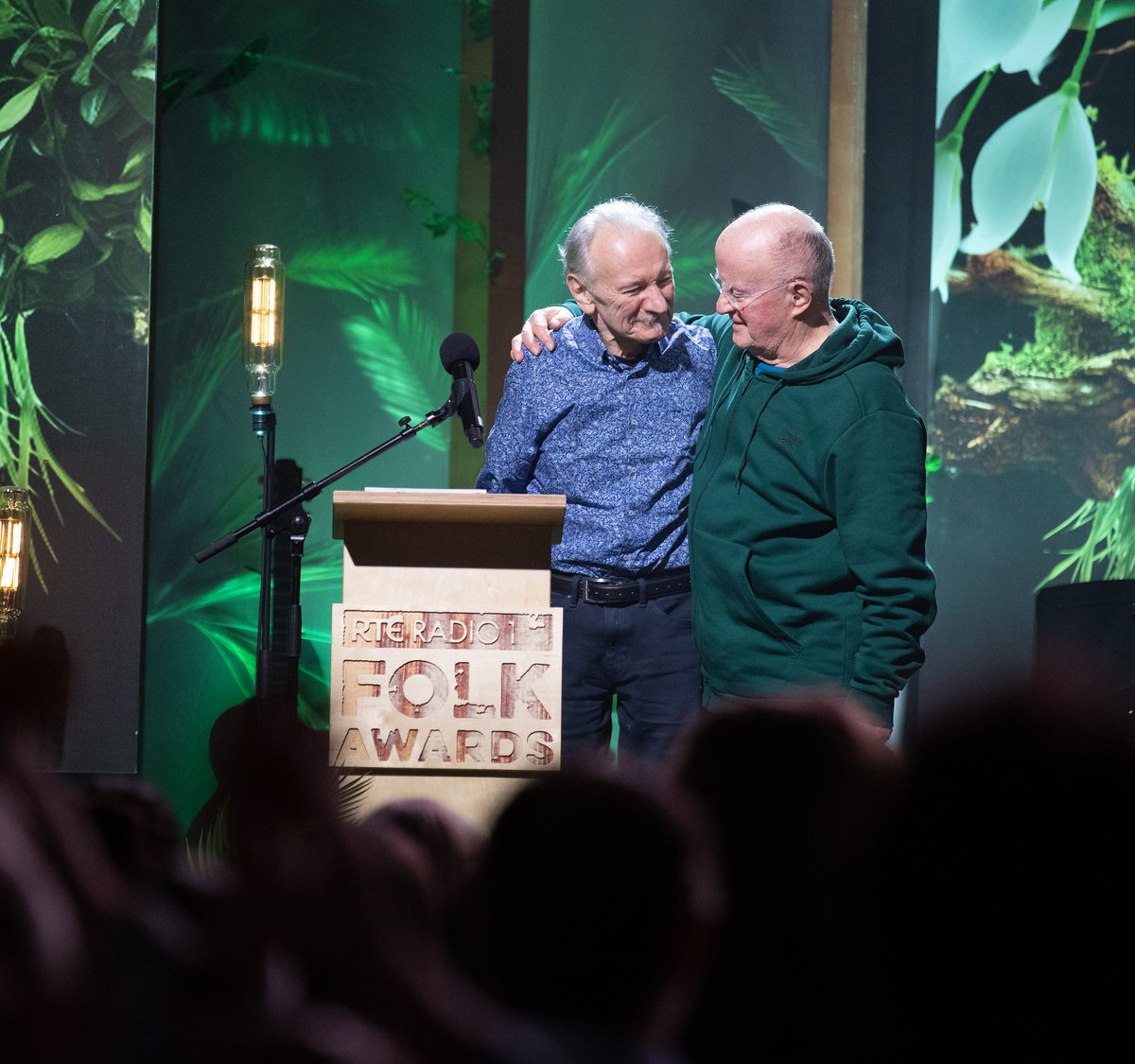
See a snapshot of last night’s #RTEFolkAwards here: https://flic.kr/s/aHBqjC3Qez

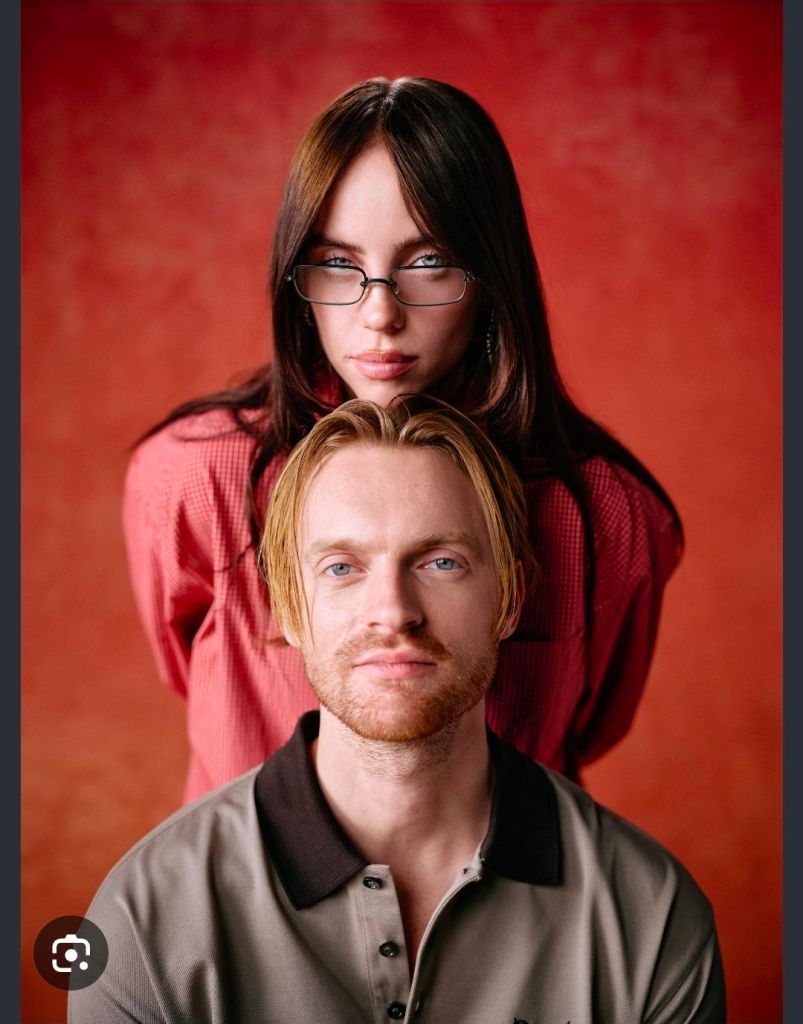
20,027,688 views Mar 11, 2024Music video by Billie Eilish performing What Was I Made For? (Live From The Oscars 2024).© 2024 Darkroom/Interscope Records
1,105,278 views Jan 15, 2013
Subscribe to our channel here: http://bit.ly/subscribe2indian
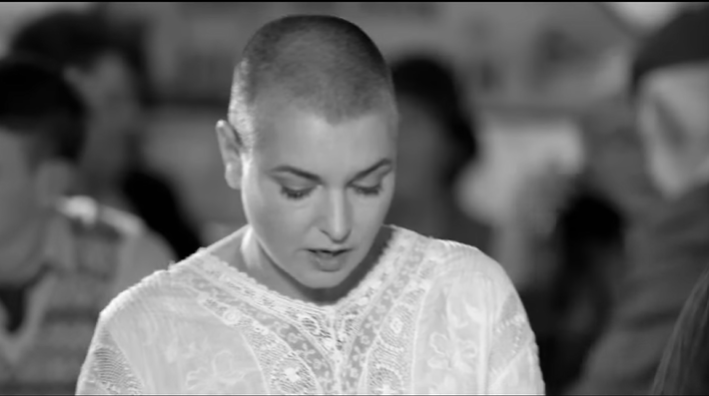
Sinead O’Connor – 4th and Vine
The new single 4th and Vine, taken from the album ‘How About I Be Me (And You Be You)?’ is out now! Buy it now on iTunes: http://bit.ly/soc_4thit Video directed by Kathryn Ferguson Buy the album: Direct from label: http://bit.ly/soc_ibme_label Amazon: http://bit.ly/soc_ibme_am iTunes: http://bit.ly/soc_ibme_itunes